Reaching out for help with addiction takes courage, and the path forward should not feel like another obstacle. At Progress Is Progress, addiction counseling meets you where you are: in your own home, on your own schedule, in your own space. I’m a Wisconsin Clinical Substance Abuse Counselor (CSAC), and I offer online substance use counseling to adults 18 and older. I’m a referral provider for the Lakeland Consortium school districts.
This page is about substance use counseling with me. Coaching is a separate, non-clinical service, and I’ll always tell you which one we’re doing. If you’re in crisis, call or text 988.
Substance use counseling is about the whole person, not just symptoms. I build an individualized counseling plan with you that looks at the whole person rather than symptoms alone.
Many people who need help with substance use never get it, and that gap can be even wider in rural areas where a qualified counselor is hard to reach. That is one reason I offer counseling online.
I address these root factors through trauma-informed compassion and individualized counseling plans that honor your story.
Substance use counseling looks at how substance use is affecting your life, notices other struggles that may be involved, and creates a personalized path toward healing. I combine my Wisconsin CSAC training with my own lived recovery experience.
I work with people across a wide range, from early concerns about alcohol or drug use to long-standing substance use that affects every area of life. I do a thorough substance use assessment, build a plan with you, and support you as your needs change.
I work with people across a wide range, from early concerns about alcohol or drug use to long-standing substance use that affects every area of life. I do a thorough substance use assessment, build a plan with you, and support you as your needs change.
Addiction counseling with me is never one-size-fits-all. I believe every step forward deserves celebration, and I build support around your life and your goals.
Addiction counseling with me is never one-size-fits-all. I believe every step forward deserves celebration, and I build support around your life and your goals.
I’m Belle Morey, BS, a Wisconsin Clinical Substance Abuse Counselor (CSAC) and a person in long-term recovery. I bring my training, my credential, and my heart to this work, and I serve people in northern Wisconsin and online. It’s just me, so you always work directly with me.

I’m Belle Morey, BS, a Wisconsin Clinical Substance Abuse Counselor (CSAC) and a person in long-term recovery. I bring my training, my credential, and my heart to this work, and I serve people in northern Wisconsin and online. It’s just me, so you always work directly with me.
In counseling I use skills from cognitive behavioral approaches and motivational interviewing. Cognitive behavioral skills help you manage triggers and change habits that lead to substance use. Motivational interviewing is a client-centered approach that helps you work through hesitation about change.
I hold a bachelor’s degree in substance abuse and addiction counseling, along with extensive supervised clinical hours and my own lived experience. I’m currently in a master’s program for clinical mental health counseling. This blend of academic preparation and real-world experience shapes how I work with you.
Substance use and mental health concerns often go together, including depression, anxiety, or other conditions. If you also need treatment for a mental health condition, I’ll help you find a licensed provider and, with your written consent, coordinate with them and your doctor.

Addiction counseling with me is different because I bring both my CSAC training and my own recovery experience to every session.
In counseling, we work on recognizing warning signs and building action plans to prevent relapse. I draw on relapse prevention skills, which help you recognize high-risk situations and plan for them.
Addiction does not happen in isolation, and families are deeply affected by a loved one’s substance use. With your written consent, I can include a family member in a session to help rebuild trust and improve communication. Families can learn about recovery and how to offer support without enabling. I help families understand their options and connect with community resources, such as Al-Anon and local support in northern Wisconsin.
Substance use and mental health struggles often show up together. People who work on substance use without attention to their mental health can find themselves returning to use. I pay attention to this from day one. If you need treatment for a mental health condition, I’ll help you find a licensed provider and, with your written consent, coordinate with them.

Recovery extends beyond our sessions. I gather helpful links and resources for clients, families, and community members who want information about substance use, mental health services, and support programs.
Contact me to receive personalized resources, including national institute publications, local provider referrals, hospital-based services, and community organizations.
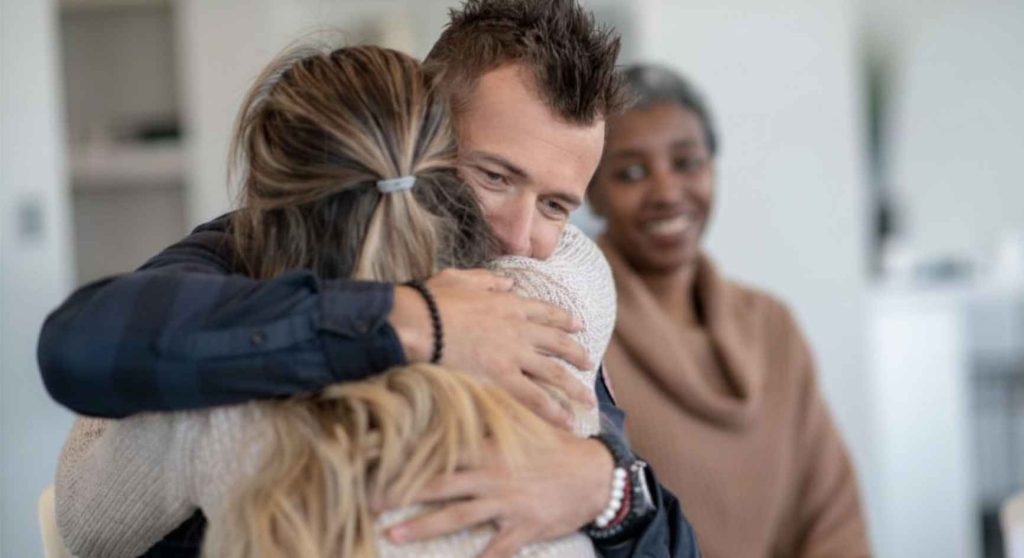
You do not have to navigate addiction or mental health challenges alone. I’m here to help you or your family member find the right path and take the next step. If you need medical detox or a higher level of care, I’ll help you find it.
Contact me today to begin your journey toward lasting recovery. I can’t promise a specific result, but you don’t have to start alone.


Addiction counseling is provided by a credentialed substance use counselor who assesses and supports people with substance use concerns. Recovery coaching is non-clinical, peer-based support grounded in lived experience. I offer both, and I’ll always tell you which one we’re doing. Neither replaces care from a licensed mental health professional or a physician.
I’m in network with Cigna/Evernorth and Optum (Wisconsin Medicaid plans), Anthem Blue Cross Blue Shield begins October 18, 2026, and private pay is available at $125 per session with a sliding scale ($20-$125).
I can help you think through what level of support fits you. If you may need detox or a higher level of care, I’ll help you connect with a medical provider or treatment program.
Absolutely. Addiction affects the entire family, and involving family members can strengthen recovery. I offer family sessions and education resources, and I can point you to community support groups to help rebuild trust and improve communication.

Please don’t include personal health details in this form. If you’re in crisis, call or text 988.