I understand that burnout and work addiction don’t just affect your job, they reshape your entire life. If you feel drained by chronic stress, struggle to step away from tasks, or notice your mental health and relationships suffering, you’re not alone. My burnout and workaholism coaching combines practical tools with lived experience to help you reclaim balance, connection, and well being. Every millimeter of progress matters, and healing starts right here.
Many people wear their long hours and constant productivity as a badge of honor. But when staying busy becomes a way to avoid personal issues, numb anxiety, or cope with fear, the line between being a hard worker and experiencing burnout disappears. Burn out is generally defined as a state of exhaustion characterized by cynicism about the value of one’s occupation and doubt about one’s capacity to perform, often resulting from prolonged stress and unmet needs at work. Work addiction is characterized by an excessive and compulsive drive to work, often leading to negative impacts on personal well being and relationships. If you find yourself spending excessive time on tasks, sacrificing family time and free time, and feeling unable to stop even when your body and mind beg for rest, it may be time to seek support, such as coaching or a licensed mental health professional.
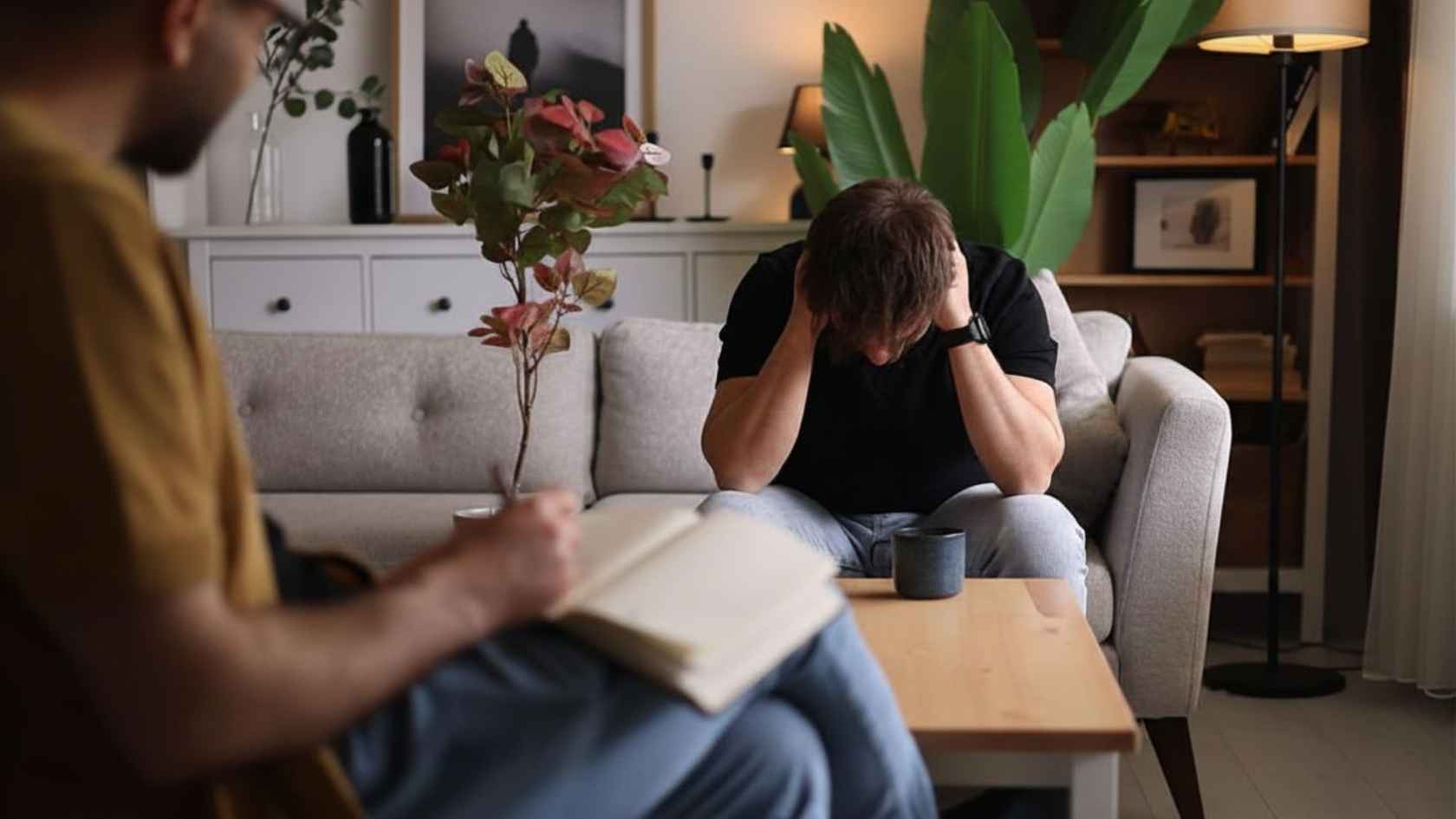
Work addiction shares similarities with other addictive behaviors and can significantly impact a person’s quality of life. Workers who work excessively often experience emotional exhaustion, depression, and anxiety that spill into every area of their personal life. Burnout and depression or anxiety can show up together. Chronic stress from long hours in a demanding work environment can wear on your health and erode the social support you need most. When work becomes the only focus, loved ones feel the distance, and your overall well being suffers.

Burnout has earned recognition in the International Classification of Diseases as an occupational phenomenon linked to chronic workplace stress that has not been successfully managed. While work addiction is not yet formally listed in the international classification system as a standalone diagnosis, occupational medicine researchers and mental health professionals increasingly recognize it as a pattern of addictive behaviors with serious health consequences. A systematic review of the literature confirms that both burnout and work addiction share overlapping factors, including personality traits such as perfectionism, fear of failure, and difficulty disengaging from tasks, that lead to a cycle of overwork and collapse.

You may be experiencing burnout or dealing with work addiction if you regularly spend excessive time on work tasks well beyond your scheduled work hours, use work to avoid personal life responsibilities, sacrifice non work activities and family time, feel drained even after weekends, and notice your loved ones expressing concern. Symptoms include staying busy compulsively, losing free time to job demands, and feeling guilt or anxiety when not working. Workers in high-demand fields, including healthcare professionals and educators, are especially vulnerable to these patterns. These factors don’t just affect your job. They erode every part of your life and pull your focus away from what truly matters.

Burnout doesn’t stop at mental health. It can manifest as physical symptoms such as headaches, gastrointestinal issues, and sleep disturbances. Chronic stress triggers a cascade of health problems: high blood pressure, heart disease, weakened immune function, and chronic fatigue. Workers who experience burnout report poorer health, lower quality of life, and reduced professional quality-of-life. When a person experiences prolonged stress without recovery, the physical health consequences compound, creating health conditions that may require ongoing medical attention. Addressing burnout early, with coaching and, if needed, medical or mental health care, can protect both your well-being and your body.

Burnout recovery is not just about taking a vacation. Recovering from burnout often means looking at the structural mismatch between you and your job, such as workload, lack of control, or values conflict. A mental health professional trained in stress management, cognitive-behavioral therapy, or Acceptance and Commitment Therapy can help you identify root causes, build sustainable coping mechanisms, and develop a path toward lasting change. Coaching can work alongside this support. Different therapeutic approaches target different burnout drivers: CBT works best for perfectionism-driven patterns, while ACT is effective when burnout stems from values misalignment. Research by van Gordon W and colleagues has shown that meditation awareness training can reduce stress and support well being among workers facing chronic workplace pressure. A controlled trial involving meditation awareness training demonstrated meaningful reductions in burnout symptoms and improved mental health outcomes, which gives us another evidence-based tool to support your recovery.

The evidence for seeking professional help is strong. A meta-analysis found that physicians experiencing burnout are three times more likely to plan to leave their jobs or regret their career choice. Research by van Gordon and colleagues in a systematic review confirms that mindfulness-based interventions and therapy reduce emotional exhaustion and improve coping mechanisms across professions. Emotional exhaustion significantly predicts plans to leave one’s job, and these factors carry real consequences for financial security, workplace stability, and the health of entire organizations. When you seek support, you protect not only yourself but also the people and systems that depend on you.

Overcoming workaholism takes more than willpower. Coaching for burnout offers a structured and supportive path toward recovery and long-term resilience. I help you understand the underlying factors driving work addiction. This may include financial stress, perfectionism, or a work culture that rewards long hours at the cost of your well-being. I help you notice the emotional and physical impact of chronic stress and build habits that support you. Through ongoing coaching, you learn to recognize early warning signs before they turn into full burnout. You also gain practical tools to manage work habits, protect your health, improve job satisfaction, and build stronger relationships with the people around you.

Recovery means rebuilding the life balance that burnout has stolen. Learning to set firm boundaries between professional and personal life is essential for long-term healing. I help you reclaim family time, invest in non work activities, and reconnect with loved ones who may have felt sidelined by your work addiction. Work life balance is not a luxury. It is the foundation for sustainable well being and the key to preventing relapse into old patterns. Simple steps like taking small breaks throughout the day, delegating tasks, and practicing healthy coping mechanisms can restore life balance and prevent future burnout. When your work life no longer consumes every waking moment, your personal life, your mental health, and your relationships with the people you love begin to heal.

You cannot recover from burnout without learning to prioritize self care. Self care is the foundation that makes everything else in your life possible. Engaging in regular physical activity, practicing mindfulness and deep breathing, maintaining social support networks, and protecting your free time are all evidence-based strategies that support mental health and reduce chronic stress. Self care also means knowing when to seek support from a mental health professional or reach out to health services in your community. I help you build a self-care practice grounded in your real life, one that accounts for the demands of your job, the needs of your loved ones, and the personal issues that may have gone unaddressed for years. I prioritize self-care as a core part of your recovery, and I meet you exactly where you are, honoring every step of progress.

If you are experiencing burnout, trapped in work addiction, or watching your mental health and personal issues pile up while you keep staying busy, we are here. You do not have to white-knuckle your way through this alone. I blend my experience with practical coaching tools to create a radically affirming, judgment-free space for your recovery. If you’re dealing with burnout or work addiction, I offer coaching and genuine human connection. For depression, anxiety, or health problems, please also see a licensed provider or your doctor. Reach out to schedule a burnout coaching session with me. Your well being, your overall well being, your work environment, and your life are worth fighting for. Every millimeter of progress matters, and the support you need is one conversation away.


If you feel drained constantly, struggle to disconnect from work, experience chronic stress, notice your mental health declining, or find that your personal life and relationships with loved ones are suffering, these are strong signs you should seek support, such as coaching or a licensed mental health professional.
Burnout is a state of emotional exhaustion and cynicism caused by prolonged workplace stress. Work addiction is a compulsive drive to work excessively, often used to avoid personal issues or fear. Both conditions overlap significantly and can cause serious mental health and physical health problems.
Recovery timelines vary depending on severity, but many people feel some relief quickly once they have a plan, but every situation is different. Working with a coach helps you build sustainable coping habits, prioritize self-care, and restore life balance.
Yes. Coaching provides a structured, collaborative path to overcome workaholism by identifying the root factors driving your work addiction, such as perfectionism or fear around financial security. You learn to set boundaries, reclaim free time, and rebuild well being in every area of your life.

Please don’t include personal health details in this form. If you’re in crisis, call or text 988.