Compassionate, evidence-based gambling addiction coaching rooted in lived experience and clinical expertise – because every step toward recovery matters.
Compulsive gambling, also known as gambling disorder, is characterized by an uncontrollable urge to gamble despite the negative consequences it brings to your life. The American Psychiatric Association classifies gambling disorder in the Diagnostic and Statistical Manual of Mental Disorders as a behavioral addiction, placing it alongside substance use disorders because of the similar neurological pathways involved. It is not a matter of willpower or moral failure.
Individuals with gambling disorder may experience symptoms such as preoccupation with gambling, loss of control over gambling activities, and continued gambling despite negative consequences. Many people describe repeated unsuccessful efforts to cut back or stop gambling entirely. Over time, a person may need to gamble with increasing amounts of money to achieve the same feeling of desired excitement, deepening the cycle of compulsive behaviors. Problem gambling exists on a spectrum, and what begins as casual sports betting or occasional gambling opportunities can escalate into excessive gambling that disrupts every part of daily life.

Younger age and male gender are identified as risk factors for developing gambling disorder, with men more likely to start gambling at a younger age compared to women. Individuals who start gambling at a young age are at a higher risk of developing a gambling addiction later in life, making early intervention critical. Environmental factors such as trauma and social inequality, particularly among women, may also contribute to the risk of developing gambling disorder.
Genetics and family history can increase the likelihood of developing a gambling addiction, as individuals with a family history of gambling problems are at greater risk. Low income, unemployment, and poverty are linked to a higher risk of problem gambling as well, since financial stress can lead individuals to start gambling as a means of escape or hope for financial relief. Recognizing these risk factors and certain factors unique to each person gives our gambling addiction therapists a better understanding of each individual’s situation and helps shape a more effective treatment plan.

The emotional and financial consequences of gambling can severely impact your mental health, leading to anxiety, depression, and other mental health disorders. A gambling problem does not exist in isolation. It frequently co-occurs with mood disorders, personality disorders, substance abuse, and other psychiatric disorders that compound suffering and make recovery feel impossible without the guidance of a mental health professional.
Compulsive gambling can also lead to significant emotional distress, including deep feelings of guilt and shame, which often prevent people from seeking help. Many people hide their gambling behavior from loved ones for years, creating isolation that worsens both the addiction and co-occurring mental disorders. I understand these roots of struggle and lead with empathy. If you’re thinking about suicide or self-harm, call or text 988 right now. For gambling support, the National Problem Gambling Helpline is 1-800-GAMBLER (1-800-426-2537).

Gambling addiction does not only affect the person who gambles. It ripples outward, creating strain and pain for family members, partners, and children. The financial consequences of losing money gambling extend far beyond the individual, and when someone is chasing losses and hiding gambling experiences from the people closest to them, the resulting dishonesty erodes family life completely.
Compulsive gambling can disrupt personal relationships in profound ways, from broken trust and secrecy to financial devastation that threatens housing, education, and basic stability. At Progress is Progress, we recognize that healing the whole family is essential to lasting recovery, which is why our approach includes support not just for the person struggling with a gambling problem but also for the people who love them. Addressing the negative consequences alongside the addiction creates a stronger foundation for everyone.
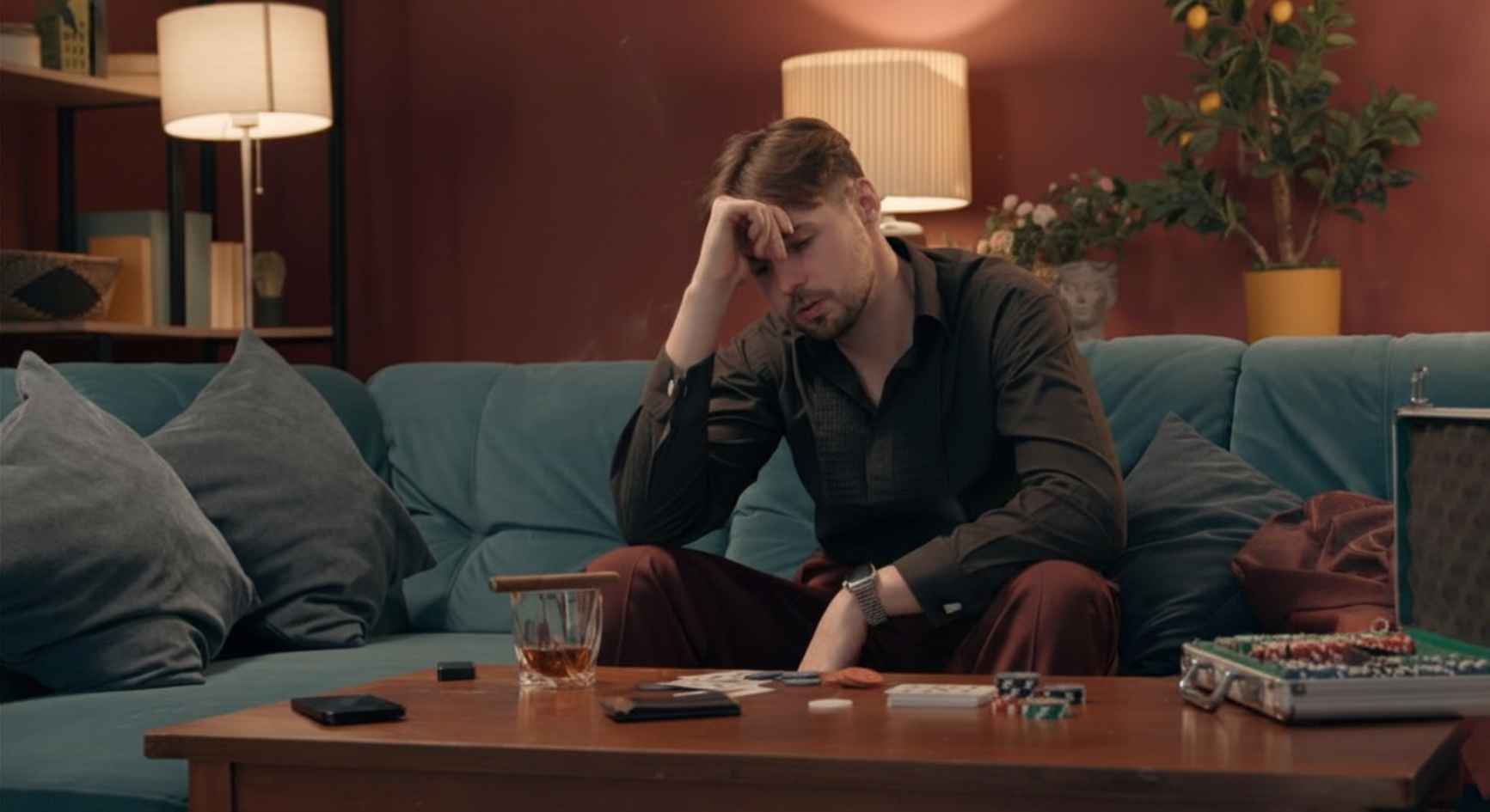
Gambling addiction does not only affect the person who gambles. It ripples outward, creating strain and pain for family members, partners, and children. The financial consequences of losing money gambling extend far beyond the individual, and when someone is chasing losses and hiding gambling experiences from the people closest to them, the resulting dishonesty erodes family life completely.
Compulsive gambling can disrupt personal relationships in profound ways, from broken trust and secrecy to financial devastation that threatens housing, education, and basic stability. At Progress is Progress, we recognize that healing the whole family is essential to lasting recovery, which is why our approach includes support not just for the person struggling with a gambling problem but also for the people who love them. Addressing the negative consequences alongside the addiction creates a stronger foundation for everyone.

Cognitive behavioral therapy (CBT) is commonly used to treat gambling addiction by helping individuals identify and modify unhealthy gambling behaviors and develop practical coping strategies. Our gambling addiction therapists use cognitive behavioral therapy CBT as a cornerstone of treatment because of its strong evidence base, including support from randomized clinical trials published through American Psychiatric Publishing and peer-reviewed research from the American Psychiatric Association.
Qualified therapists will start by assessing gambling behavior and exploring underlying issues. Through cognitive restructuring, individuals learn to recognize irrational beliefs about money gambling and gambling, replacing distorted thinking with grounded, realistic patterns. The goal of treatment of gambling addiction through CBT is not just to stop gambling but to help you build a life where gambling no longer holds power over your choices. The statistical manual classification of gambling disorder as a behavioral addiction reinforces why structured, clinical treatment produces stronger outcomes than willpower alone.

Beyond cognitive behavioral therapy, our team integrates additional behavioral therapy methods tailored to each person’s needs. Motivational interviewing (MI) is a conversational approach designed to help individuals explore and resolve ambivalence about quitting. Many people with problem gambling feel torn between wanting to stop gambling and feeling pulled back toward gambling activities, and motivational interviewing meets that internal conflict with compassion rather than pressure.
Behavioral therapy also incorporates relapse prevention strategies essential for long-term recovery. Therapists provide training on identifying high risk situations and creating coping strategies to avoid returning to gambling. Learning to recognize gambling triggers and developing plans to prevent gambling relapse empowers you to protect your progress. Treatment of gambling disorder works best when multiple therapeutic approaches are combined, allowing certified gambling counselors to address the full complexity of each person’s recovery journey.

You do not need to have hit rock bottom to deserve help. Whether compulsive gambling has been part of your life for the past year or for decades, our team is ready to walk alongside you. At Progress is Progress, we combine clinical excellence with lived wisdom to create a space where real healing becomes possible.
If you are ready to find support, take the next step today. Reach out to our gambling addiction therapists for a confidential conversation about your situation. We will help you understand your treatment options, connect you with the right level of care, and begin building a plan that honors your unique recovery journey. Every millimeter of progress matters, and yours starts now.

Family coaching plays a vital role in the treatment of gambling because compulsive gambling affects the entire household. Through family coaching, loved ones gain tools to set healthy boundaries, communicate more effectively, and begin rebuilding trust that may have been damaged over months or years of hidden gambling behavior. Our approach draws from the same values that define everything we do at Progress is Progress: authenticity, radical affirmation, and the understanding that every step forward matters.
Family members learn how to support their loved one’s recovery journey without enabling gambling habits, and the person in recovery learns how to show up honestly for the people they care about. People with gambling disorder often chase losses, leading to a cycle of increased gambling behavior that results in significant financial and personal problems. Breaking that cycle and repairing the negative consequences it created within relationships requires commitment, guidance, and a supportive environment where healing is possible for everyone involved.

Substance abuse and mental health conditions are deeply connected. Many individuals living with a substance use disorder also struggle with depression, anxiety, or other mental health conditions that fuel the cycle of use. Our counselor team builds treatment plans that address the whole person rather than symptoms alone.
According to the National Survey on Drug Use and Health, about 15 percent of Americans aged 18 or older needed treatment for substance use disorder in 2020, but less than 10 percent received it, highlighting the critical need for addiction counselors. This gap is even wider in rural areas where access to a qualified counselor or doctor is limited.
Effective treatment of gambling addiction requires addressing co-occurring mental health disorders such as bipolar disorder, mood disorders, anxiety, and depression. Many individuals turn to gambling as a way to escape emotional pain, and without treating the underlying conditions, the increased risk of relapse remains high. Our comprehensive approach ensures that the full picture of your mental health is part of the plan.
While no medication is FDA approved specifically for gambling disorder, clinicians may use pharmacological agents for co-occurring conditions. Opioid antagonists and mood stabilizers have shown promise in medication trials for reducing gambling urges, particularly when combined with psychotherapy. Many individuals with problem gambling also struggle with substance abuse or other behavioral addictions, which is why our team takes a holistic view. We look at how gambling, emotional distress, compulsive behaviors, and mental health conditions interconnect and build a treatment plan that addresses all of it.

Support groups like Gamblers Anonymous provide peer support to help individuals stop gambling, offering a community of understanding and shared experiences. Groups such as Gamblers Anonymous follow a twelve-step model similar to Alcoholics Anonymous, giving people facing similar challenges a place to be heard without shame. Peer support and group therapy are woven into our model because we know that isolation fuels addiction while connection fuels recovery.
The National Council on Problem Gambling operates the National Problem Gambling Helpline at 1-800-GAMBLER, which connects individuals with local resources for gambling addiction support. Many states also have gambling helplines available for individuals seeking immediate assistance with gambling problems, often operated by local health departments or organizations. Many states offer free or subsidized treatment for gambling addiction, which can be found through health departments. Treatment for gambling addiction often includes a combination of psychotherapy, support groups, and financial management strategies to address the various impacts of the disorder, and our team helps coordinate all of these elements for you.


Problem gambling refers to gambling behavior that disrupts your life but may not meet full diagnostic criteria. Gambling disorder is a clinical diagnosis recognized by the American Psychiatric Association, characterized by persistent and recurring gambling despite significant negative consequences to your finances, relationships, and mental health.
If you find yourself chasing losses, hiding gambling from loved ones, making repeated unsuccessful efforts to stop gambling, or experiencing financial and emotional distress because of gambling, it is time to reach out. You do not need to hit rock bottom before seeking professional support.
Yes. Gambling addiction impacts the entire household, which is why we offer family therapy and dedicated support for loved ones. Family members learn healthy boundaries, communication tools, and strategies to support recovery without enabling, so the whole family can begin healing together.
Our gambling addiction therapists use evidence-based methods including cognitive behavioral therapy, motivational interviewing, relapse prevention strategies, and group therapy. We also address co-occurring mental health conditions and coordinate peer support resources to create a comprehensive, personalized treatment plan for each individual.

Please don’t include personal health details in this form. If you’re in crisis, call or text 988.